Stop Guessing Where the Problem Is

There's a sentence I hear at almost every operations review:
"We're going to need more space."
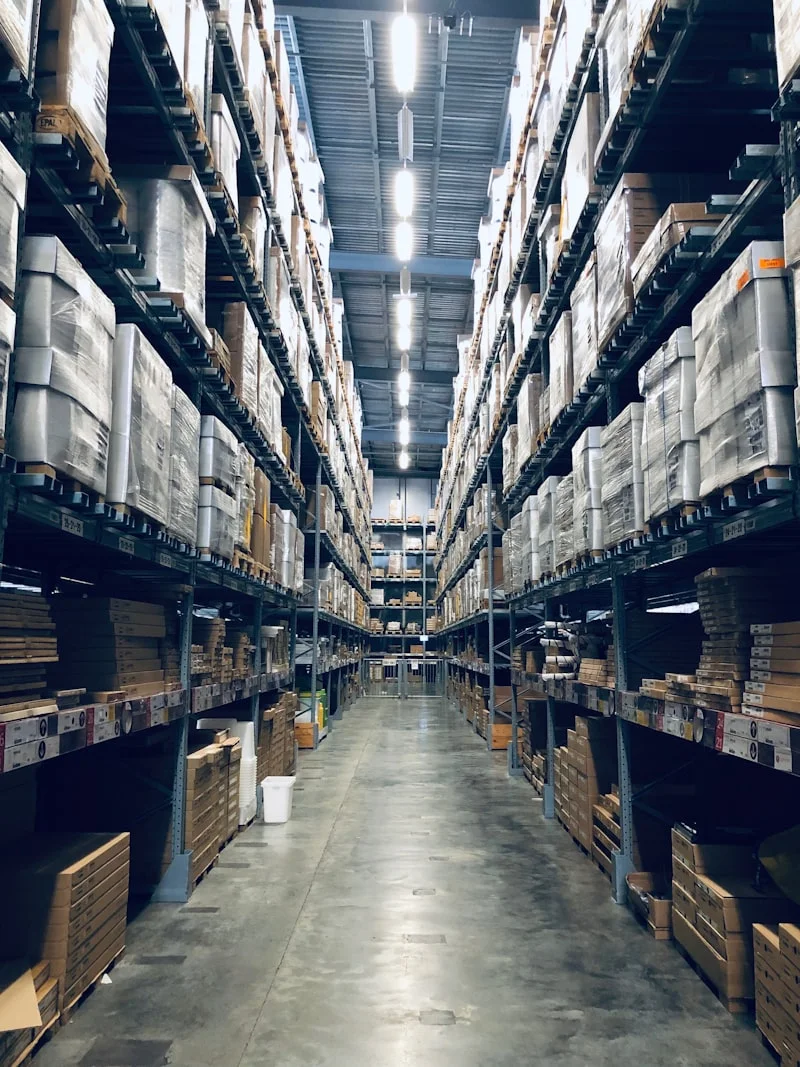
Sometimes it's right. More often it isn't. What's almost always true is that the warehouse feels full — bins look occupied, aisles look congested, putaway is finding fewer good slots. The instinct is to lease another bay, add racks, or start the conversation with the landlord.
Before any of that, ask a better question:
What space are we wasting?
The answer is usually already in the WMS. The problem is that nobody can see it.
A full warehouse isn't always an efficient warehouse
A warehouse can be 90% bin-occupied and 50% cube-utilized. Both numbers are true, and they reach completely different conclusions about whether you need more square footage.
In a typical operation, several patterns show up at once:
- Slow-moving inventory sitting in prime golden-zone real estate.
- Fast-moving products stored too far from shipping.
- Some aisles crowded; others barely touched.
- Dead stock holding rack positions that haven't been picked from in 90+ days.
From the floor, it looks like a space problem. From the data, it's a visibility problem. The two look identical until you put the picture next to the spreadsheet.
The WMS already has the answer
Your WMS tracks locations, inventory, picks, movement, and activity. The information you'd need to settle almost any layout question is already there — and has been, usually for years.
The catch is dimensional. A report tells you what is happening. A heat map shows you where it's happening.
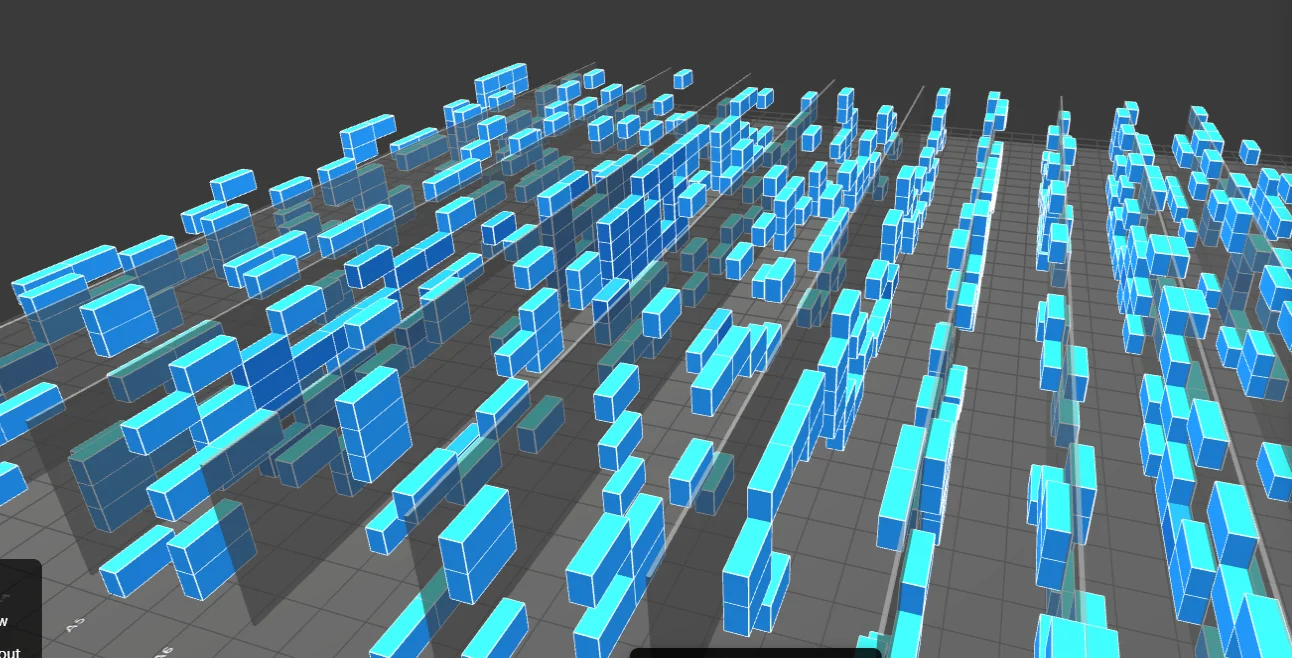
That's the swap Warehouse Heatmap is built around. We sit on top of the data your WMS is already collecting and render it as a 2D and 3D map of the facility — hot zones, cold zones, dead areas, pick density, storage density, and underused locations, all legible at a glance.
Find the space you're already paying for
Every square foot in your warehouse costs money. Even the space you're using badly still costs rent, utilities, labor, equipment time, and management attention. It just isn't earning.
Once the picture is visible, the expensive spaces tend to identify themselves:
- High-activity areas where congestion is killing throughput.
- Low-activity areas that should be holding fast movers.
- Dead zones — bins not touched in months.
- Slotting drift: yesterday's fast movers still sitting in today's prime real estate.
- Cube under-utilization — the honeycombing problem.
- Layout drift — a footprint sized for a SKU mix that doesn't exist anymore.
Most of these are invisible in a stock report and obvious in a heat map. None of them are fixed by adding square footage.
Stop managing by habit
Plenty of warehouse decisions get made on muscle memory.
"That product has always been there." "That customer has always used that aisle." "That area always seems busy."
But the inputs change. Customers change. Order volume changes. Product velocity changes. The slotting that was right a year ago is almost certainly wrong by now, and the longer it goes unreviewed, the more it costs.
A heat map replaces habit with visibility. You can see — not guess — which locations are working hard and which aren't pulling their weight. That single shift, run on a monthly cadence, is the cheapest pick-rate improvement most operations have available. It doesn't require a single new pallet position.
Look closer before you expand
More space is expensive. It can also paper over poor processes — a bigger warehouse run on the same habits tends to end up just as full, just as fast.
Before you lease another building or add more racks:
- Use the data your WMS already has.
- Turn it into a visual map of the facility.
- Find the wasted space.
- Review the layout.
- Identify the locations that aren't earning.
In most operations I've sat with, that exercise surfaces enough hidden capacity to defer the real-estate decision by a year or more.
The better question
Stop guessing where the problem is.
When a warehouse feels full, the answer shouldn't automatically be: "We need more space."
The better question is:
What space are we wasting?
Warehouse Heatmap is built to show you the answer.